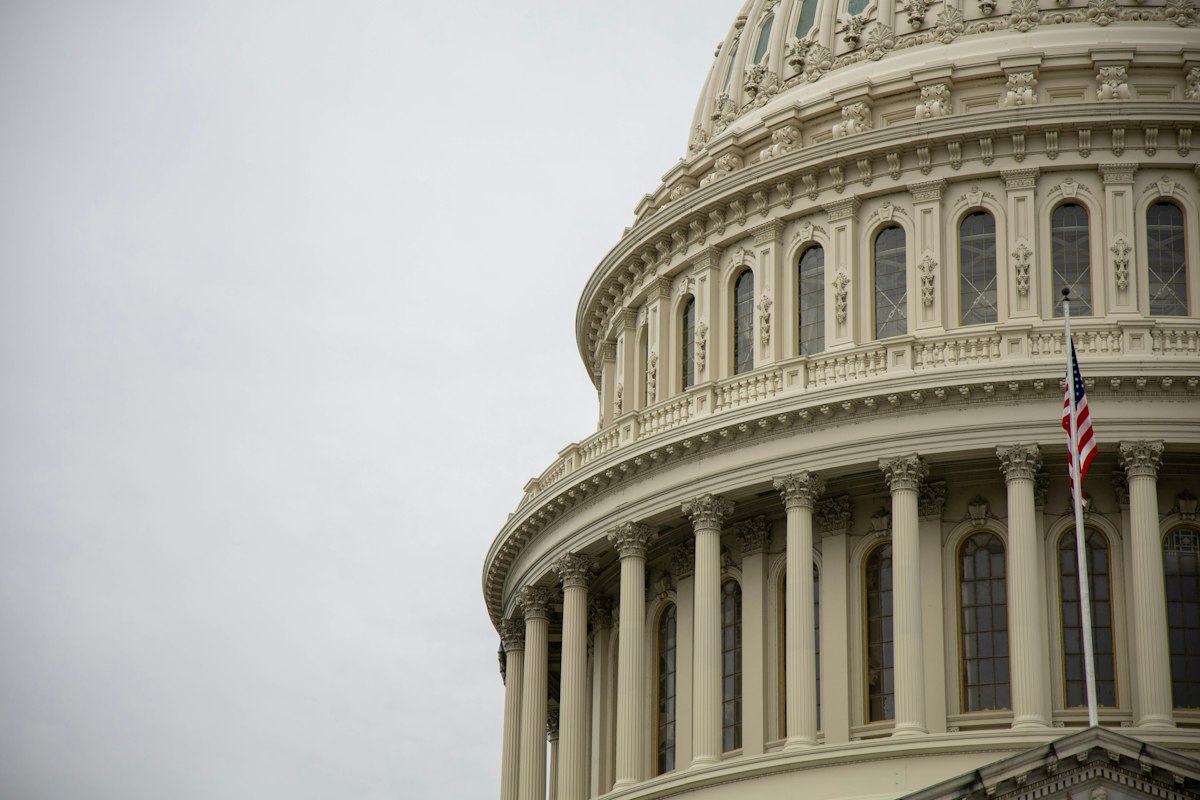
WASHINGTON — The United States Senate passed the American Data Rights Act by a 71-28 margin on Thursday in an unusual display of bipartisan cooperation, sending to the House a landmark bill that would give Americans the legal right to access, correct, and delete personal data held by companies — the most significant federal privacy legislation in decades.
The bill, modelled partly on Europe's General Data Protection Regulation, also imposes restrictions on the use of sensitive data including health information, financial records, and precise geolocation, and establishes a new Federal Data Protection Agency with enforcement authority.
Industry and Advocacy Reactions
Technology companies, which had lobbied aggressively against earlier versions of the bill, offered muted responses to the passage, having largely secured amendments weakening enforcement timelines and creating carve-outs for smaller businesses.
Privacy advocates gave the bill a mixed reception. "This is a genuine step forward for American consumers," said Electronic Frontier Foundation director Cindy Cohn. "But the enforcement mechanisms are weaker than they should be, and we'll be watching implementation very carefully."
The bill faces a more uncertain path in the House, where several powerful committee chairs have close ties to the technology sector. The White House indicated the President would sign the legislation if it reached his desk in substantially its current form.